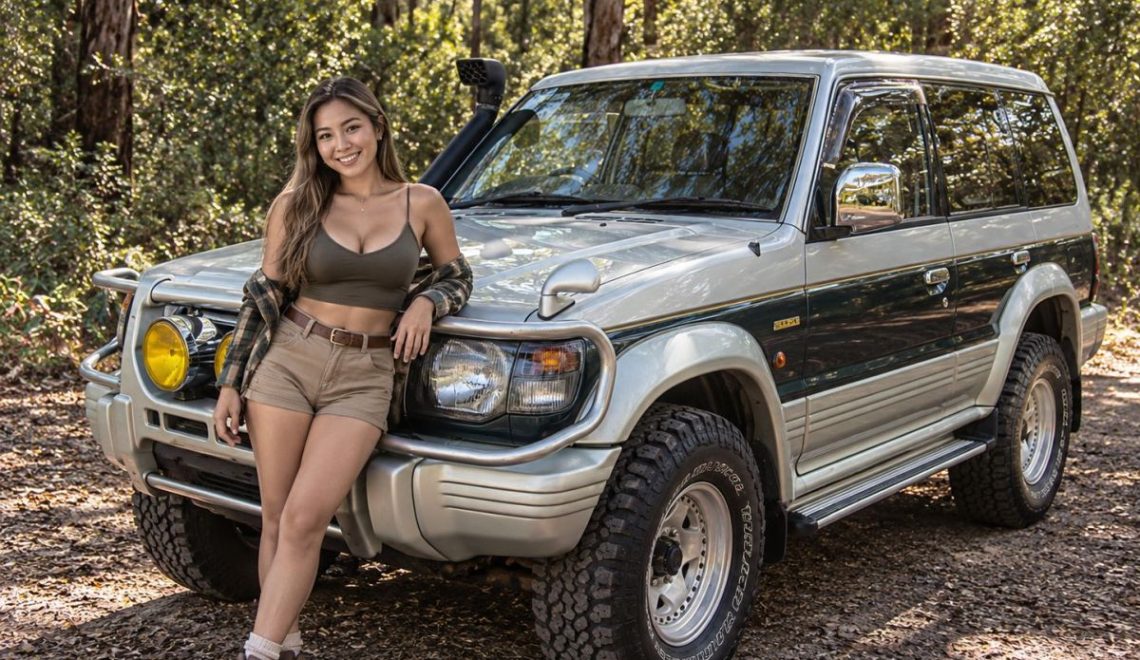
When 27-year-old Emma first started thinking about replacing her perfectly reliable hatchback, she couldn’t really explain what she was looking for. There was nothing particularly wrong with the car she already owned. It was economical, comfortable, easy to park and had all the modern conveniences she needed. It connected to her phone, the air conditioning worked beautifully and it rarely gave her any trouble.
The problem was that she didn’t particularly care about it.
That changed when she spotted an old Mitsubishi Pajero parked near a café while spending a weekend on the NSW South Coast. The short-wheelbase four-wheel drive was boxy, slightly weathered and unmistakably from another era. It looked nothing like the polished SUVs surrounding it, and Emma was immediately drawn to it.
“I hadn’t been searching for one because I didn’t even know that’s what I wanted,” she says. “I just saw it and thought, that’s my kind of car. It had so much more personality than anything I’d been looking at.”
Not long afterwards, the modern hatchback was gone and Emma was the owner of an ageing manual four-wheel drive that was considerably less practical than the car it replaced. There was no reversing camera, no blind-spot monitoring and certainly no enormous touchscreen in the centre of the dashboard. The interior showed its age and there always seemed to be another small job that needed doing.
Instead of regretting the decision, Emma found herself becoming increasingly attached to it.
She began asking questions about the engine and learning how to perform basic maintenance. Driving itself became more enjoyable because she had to think about what the car was doing rather than simply pointing it towards her destination.
“I’d never been interested in how cars worked before,” she says. “Now if I hear something different, I want to know what it is. I’ve learned basic servicing and I’m much more aware of the car when I’m driving. It’s funny because I’ve bought something much older, but I’ve actually become more interested in driving.”
Emma is part of a growing group of younger Australians who are rediscovering older cars, particularly the rugged four-wheel drives of the 1980s, ’90s and early 2000s. LandCruisers, Pajeros, Patrols, Defenders and Troop Carriers that were once simply working vehicles or family cars are increasingly being restored, personalised and taken on adventures by owners who weren’t necessarily old enough to drive them when they were new.
But the fascination with old cars appears to be part of something much larger.
A growing attraction to things that take time
Look beyond the car world and the same pattern appears in all sorts of unexpected places. Vinyl records have returned to living rooms, film cameras are being taken on holidays, vintage clothing stores are attracting younger shoppers and physical books, notebooks, watches and other analogue objects are finding audiences who have spent almost their entire lives surrounded by digital technology.
There is even a renewed appreciation for activities that previous generations were happy to make more convenient. People are baking bread, growing vegetables, restoring furniture, printing photographs and collecting objects that need to be looked after rather than simply replaced.
It would be easy to dismiss it all as nostalgia, except many of the people embracing these things have little or no personal memory of the era they’re supposedly nostalgic for.
For them, an old LandCruiser isn’t a reminder of the 1980s. A record player isn’t something they remember their parents replacing with a CD player. A film camera isn’t outdated technology they abandoned years ago. These things are being discovered for the first time.
What they share is that they ask a little more from the person using them.
A record has to be removed from its sleeve, placed on a turntable and eventually turned over. A roll of film might contain only 24 or 36 photographs and has to be developed before anyone knows what they’ve captured. An old car needs attention, and sometimes patience, while a mechanical watch might require winding and an old piece of furniture may need repairing.
None of this is particularly efficient, yet efficiency increasingly seems to be beside the point.
For some people, the attraction lies in being involved in the process.
Going off-road and switching off
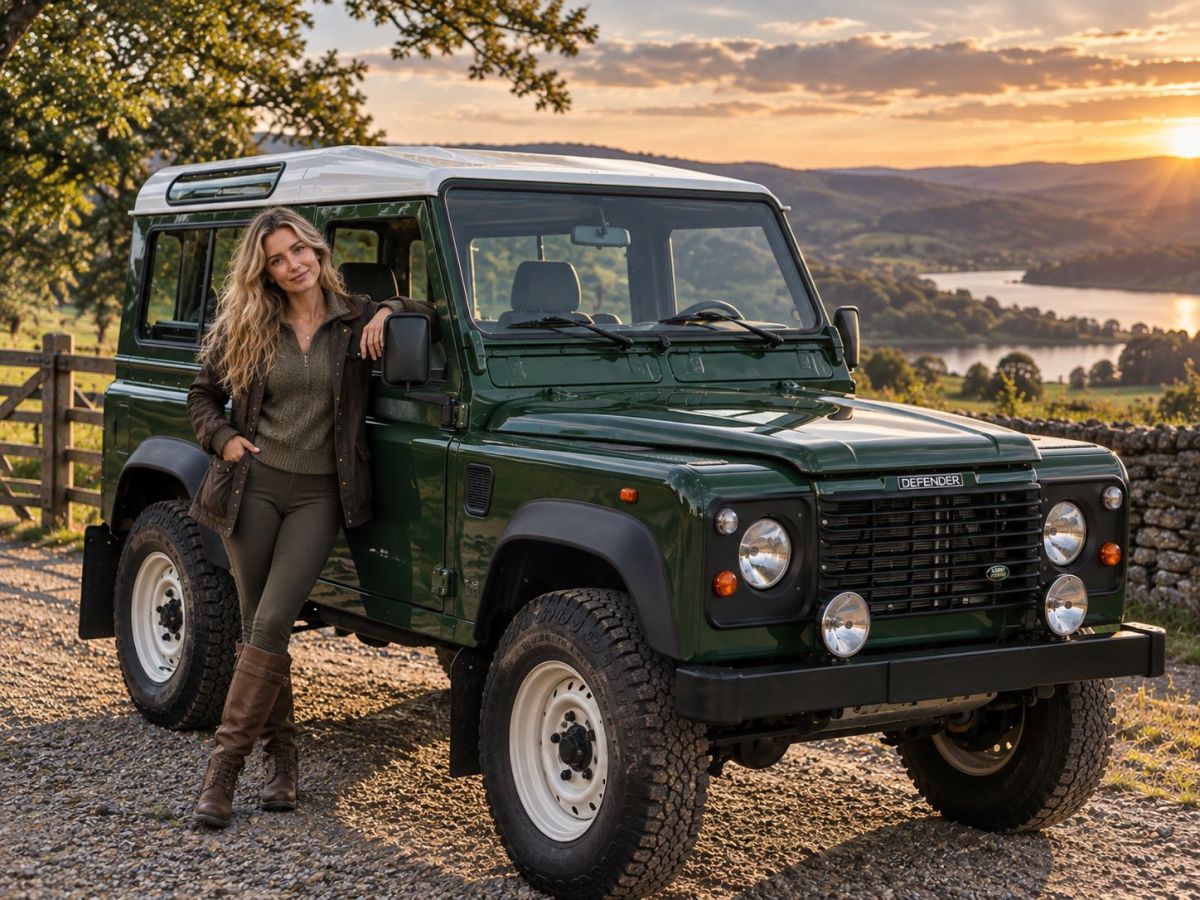
For 31-year-old photographer Chloe, who lives near Newcastle, the attraction to older four-wheel drives began through her work. She spends much of her week surrounded by cameras, computers, editing software, phones and social media, and wanted a vehicle that could take her to places where those things became less important.
She eventually bought an older Land Rover and began using it for weekends away, photography trips and camping.
“My work is incredibly digital,” she says. “I’m constantly looking at a screen, editing something, answering something or uploading something. When I go away, I don’t really want another giant screen sitting in front of me in the car.”
Her Land Rover is basic by modern standards, but she sees that as part of its appeal. There are physical switches and knobs, a traditional key and very little technology competing for her attention. She has learned more about maintaining the vehicle and says the experience of travelling in it feels different from driving a modern car.
“When you drive somewhere remote and eventually lose reception, that’s one of my favourite moments,” she says. “Nothing dramatic happens. You just realise you’re not connected anymore, and you start paying attention to where you actually are.”
For Chloe, the attraction isn’t about rejecting technology. Her photography business depends on it, she uses a smartphone every day and she has no desire to abandon the conveniences of modern life. Instead, she describes it as having some control over when technology gets her attention.
That distinction sits at the heart of the growing go-slow movement. It isn’t necessarily an attempt to recreate the past. It’s a desire to keep some of the experiences that modern technology has made optional.
The appeal of something imperfect
The same thinking has helped film photography find a new generation.
Digital photography removed almost every limitation associated with taking photographs. A phone can hold thousands of images, photographs can be checked immediately and an imperfect shot can be deleted and retaken within seconds.
Film does the opposite.
There are a limited number of exposures. The result isn’t immediately visible. Developing takes time and sometimes the photographs don’t turn out as expected.
Yet those limitations can change the way people take photographs. When there are only 36 frames available, pressing the shutter becomes more deliberate. Instead of photographing the same moment 20 times, there is a tendency to look, wait and choose.
There is also something that has almost disappeared from digital photography: anticipation.
The photographs don’t exist for the photographer until the film comes back.
The slightly blurred photograph, the unexpected light or the expression nobody realised had been captured can end up becoming more memorable than the technically perfect image.
Vinyl records create a similar experience. Almost every song ever recorded is now available instantly through a phone, yet people are still buying records that have to be physically selected, removed from their sleeves and played one side at a time.
The ritual is slower, but that is precisely what some listeners enjoy. Instead of jumping from song to song, an album becomes something to sit with.
The old 4WD becomes a project
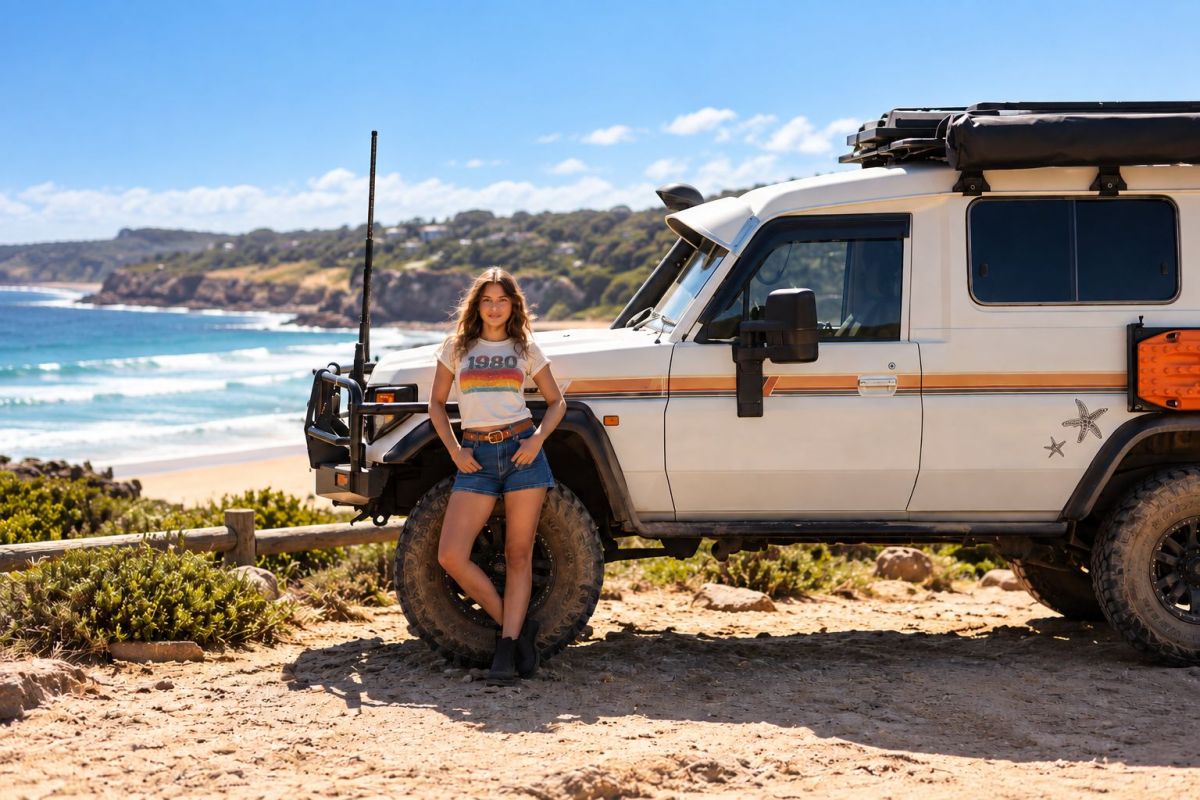
For 26-year-old Grace, who lives on Queensland’s Sunshine Coast, an old Toyota LandCruiser became more than transport when she began turning it into a small travelling home.
She had grown up camping with her family and wanted a vehicle that could carry everything she needed while allowing her to sleep comfortably when travelling. A newer SUV would have been easier to drive and considerably easier to park, but it didn’t have the same appeal.
With help from her father, Grace gradually transformed the back of the vehicle. Storage compartments went in first, followed by a mattress platform, fridge, small pantry and fold-out table. Each addition was designed around the way she travelled, and the project was never really finished.
“There’s always something else you think of,” she says. “You go away for a weekend and come home thinking, it would be better if this drawer was here, or if I had another light there. It keeps evolving.”
The vehicle has taken her thousands of kilometres around Australia and, despite its inconveniences, she has no interest in replacing it with something newer.
She laughs about the limitations. Underground car parks can be difficult, fuel bills aren’t particularly friendly and long drives can be noisy. There have been mechanical problems along the way and summer trips occasionally make her wish for the climate control of a modern SUV.
But when asked whether she would trade it for something easier, the answer is immediate.
“No. The car is part of the trips now. I couldn’t imagine doing them in anything else.”
An antidote to disposable culture
Perhaps this attachment explains another element of the retro movement: the growing discomfort with disposable culture.
Modern products are extraordinarily capable, but many are also difficult to repair. When something fails, replacement can be easier than understanding what went wrong.
Older objects often encourage the opposite relationship. They are maintained, repaired, modified and passed from one owner to another.
A scratch doesn’t necessarily ruin an old four-wheel drive. It becomes part of its history. Worn leather can make an old chair more appealing. A repaired watch can continue through another generation, while a handwritten note tucked inside an old book can suddenly become more interesting than the book itself.
These objects accumulate stories.
Ask someone about the phone they owned 15 years ago and they may struggle to remember the model. Ask about their first car and the answer can easily turn into a half-hour conversation.
They remember where it broke down, who sat beside them, the first long trip they took, the music they played and the places they went. They remember the strange noise it made, the window that wouldn’t close properly and the dent they never got around to repairing.
The imperfections become part of the memory.
When old becomes a form of individuality
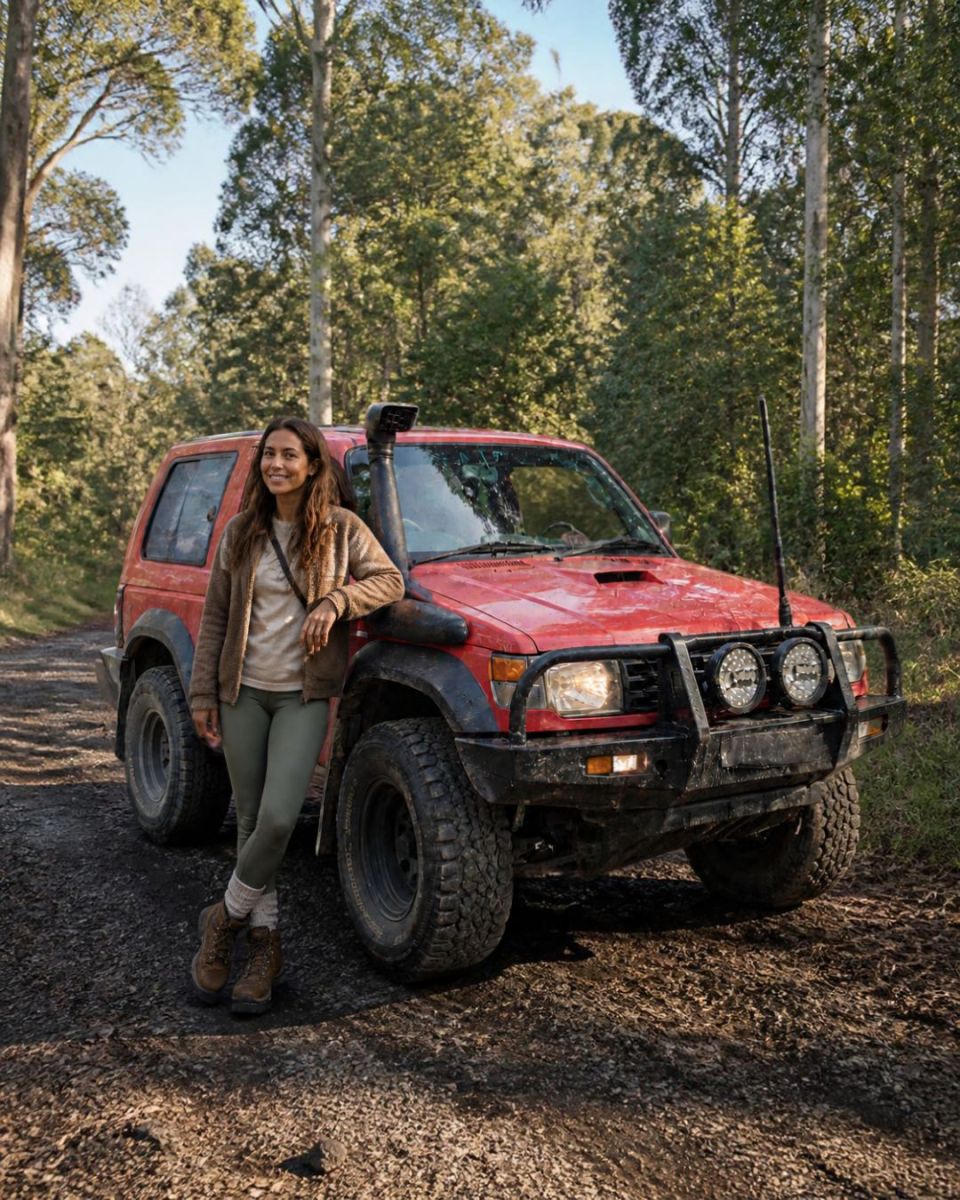
There is also another reason younger owners are attracted to older vehicles: they stand out.
Despite consumers having more choice than ever, modern products can sometimes feel remarkably similar. Cars increasingly share the same smooth silhouettes and screen-filled interiors, smartphones have become variations on the same piece of glass and global trends can spread through social media almost overnight.
An old vehicle interrupts that sameness.
A restored 1990s Pajero or an old Defender parked outside a café can attract more attention than a much more expensive new SUV because people want to know its story. Where did it come from? How long has the owner had it? What has been changed? Where has it travelled?
The same applies to a vintage jacket, an old watch or a piece of furniture found at a market. Part of the attraction is knowing that not everybody else can simply order the identical thing online that afternoon.
For younger owners in particular, the ability to personalise an old car has become part of the experience. Interiors are restored, storage systems built, paint colours changed and modern conveniences discreetly added without removing the character of the original vehicle.
The result isn’t necessarily historically perfect. It is personal.
Perhaps time is becoming the real luxury
The fascination with old cars, vinyl, film and other analogue experiences also raises a larger question about our relationship with time.
For decades, technology has promised to save it.
We can transfer money without visiting a bank, watch a movie without leaving the house, order dinner without making a phone call and send a message across the world almost instantly. A photograph that once took days to develop can now be taken, edited and shared with hundreds of people in less than a minute.
These are remarkable conveniences, and few people genuinely want to give them up.
But perhaps after making everything so fast, we are beginning to appreciate experiences that don’t save time at all.
Cooking from scratch doesn’t save time. Neither does restoring furniture, browsing a second-hand bookshop, listening to a complete record, maintaining an old car, growing vegetables, taking photographs on film or sitting somewhere and writing something by hand.
They deliberately use time.
And that may be why they increasingly feel valuable.

Not everything from the past needs to stay there
The retro and go-slow movements aren’t really arguments that life was better 30 or 50 years ago. Modern cars are safer and more efficient, digital cameras have transformed photography and smartphones have given us tools previous generations could barely have imagined.
What seems to be changing is the assumption that every old experience should automatically disappear when something faster comes along.
The choice doesn’t have to be between analogue and digital.
Someone can stream music while driving and put a record on when they get home. They can take hundreds of photographs with a phone and still bring a film camera on holiday. They can read the morning news online and spend the afternoon with a physical book. They can send messages all day and still occasionally enjoy putting pen to paper.
And they can appreciate everything a modern car can do while still falling hopelessly in love with an old one.
Back on the road, Emma admits her ageing four-wheel drive probably isn’t the car a financial adviser would have told her to buy. It costs more to run than her old hatchback, requires considerably more attention and occasionally produces a new sound that sends her searching for an explanation.
But she also knows more about it than she ever knew about the modern car it replaced.
She knows its quirks. She knows what has been repaired. She knows which sounds are normal and which ones deserve attention. She knows how it feels on a long drive and she knows there are places she has visited simply because owning it made her want to go somewhere.
Most importantly, she enjoys the journey.
Perhaps that is why the old cars, records, cameras, notebooks and other seemingly outdated things are returning.
They don’t necessarily make life easier.
They make us more involved in it.
And in a world that can deliver almost anything instantly, taking the slower road is starting to feel surprisingly good.
The Lost Art of the Locomotive Letter: Top Mindful Things to Do on a Long Train Journey
Reviving the Lost Art of Connection: Why Letters Still Matter in a Digital World