In a city known for its noise, neon and relentless pace, there is something quietly radical about a café that asks you to slow down — and speak only in whispers.
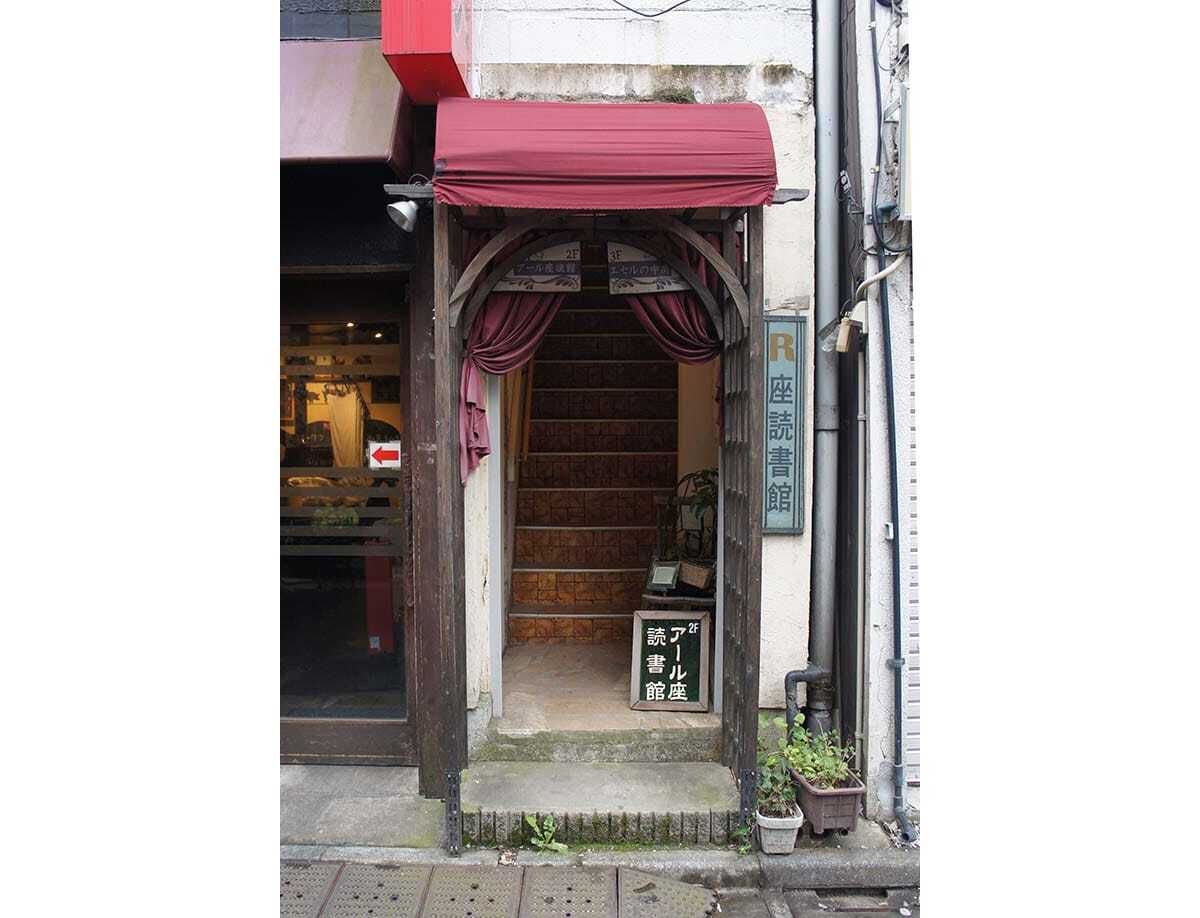
Tucked away upstairs on a calm street near Koenji Station in Tokyo, R-za Dokushokan is a reading and letter-writing café that feels less like a business and more like a carefully protected secret. From the outside, it’s easy to miss. But climb the stairs to the second floor and you step into a space that feels as though it has drifted in from another world — part library, part stationery drawer, part Studio Ghibli daydream.
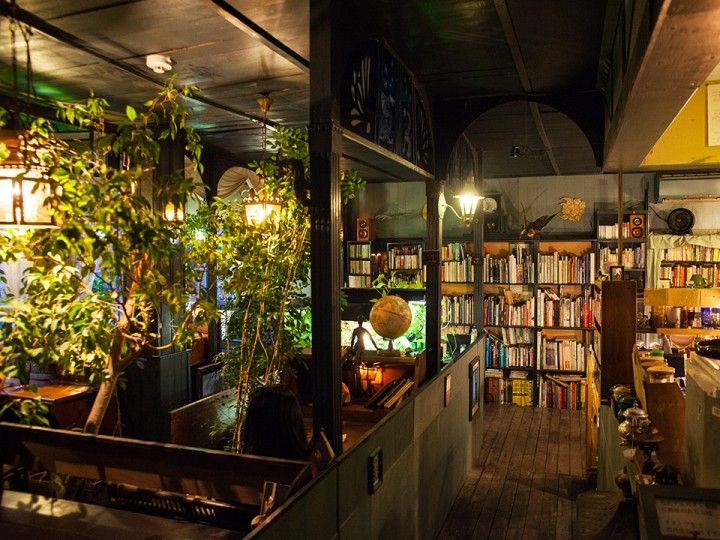
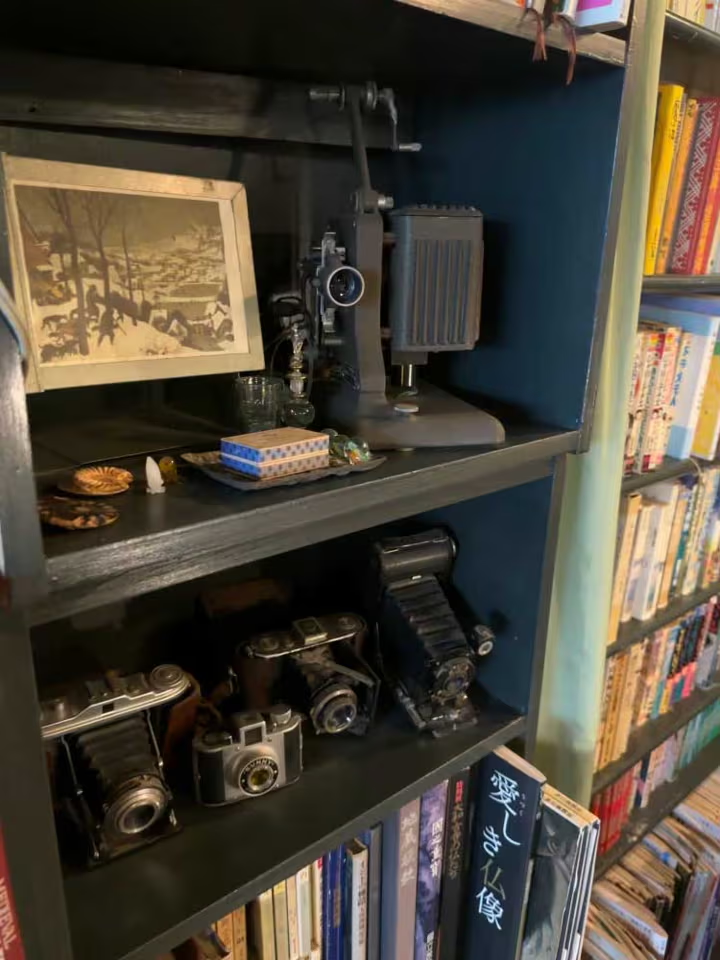
The interior is deliberately dim and soothing. Antique-style furniture, dark timber desks, bric-a-brac and shelves filled with more than 1,500 books surround you. Sunlight filters gently through the windows, bouncing off indoor plants and giving the room a quiet sense of air and calm. Every surface seems to hold a story — a trinket, a figurine, a pressed leaf, a small object collected and loved.
There is a no-talking policy at R-za Dokushokan. Orders are whispered softly to the owner. Conversations, if they happen at all, are exchanged through glances, smiles or the scratch of a pen on paper. It’s an unspoken agreement that everyone here has come for the same reason: to read, to write, or simply to be still.
For stationery lovers and letter writers, this café is something special.
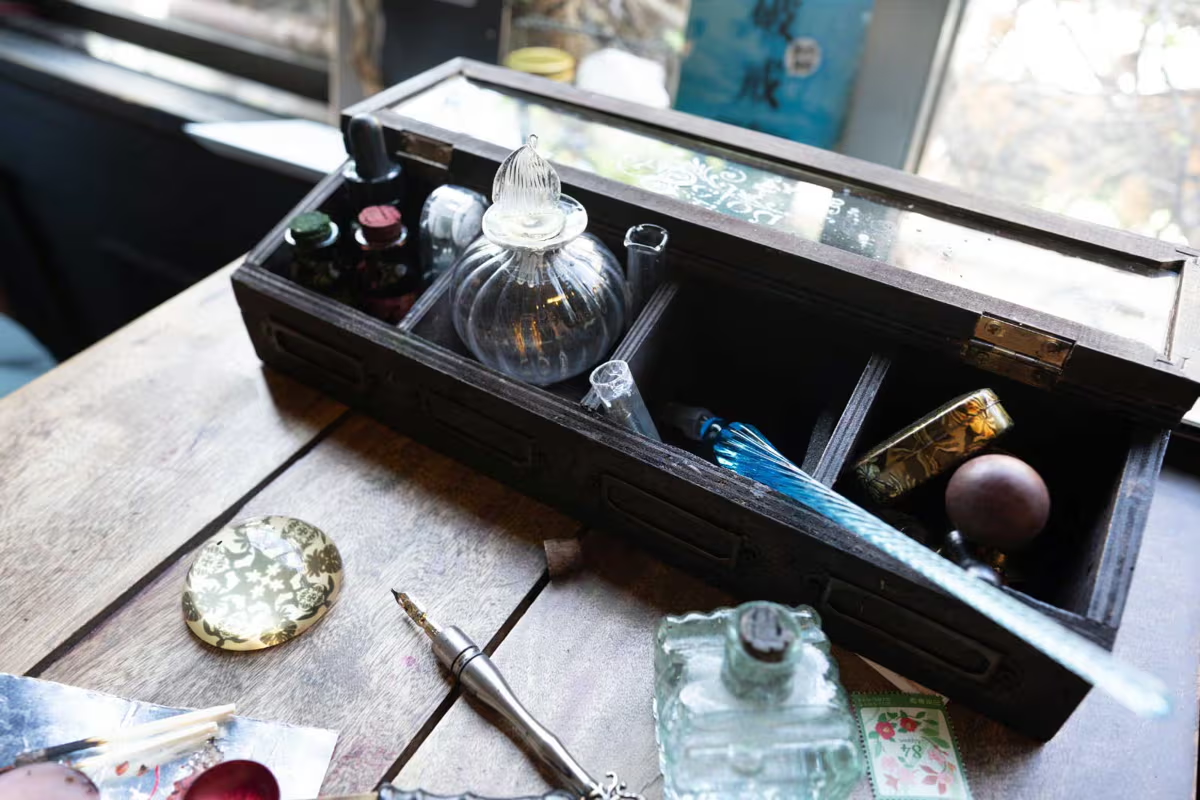
Alongside coffee and tea (starting from ¥680), the menu offers a letter-writing set — a beautifully tactile experience that feels increasingly rare. Guests can choose from a selection of envelopes and letter paper, then write using the café’s glass pens, nibs, scented inks and sealing wax. There’s even a wooden chest to rummage through, filled with small stationery treasures you might never have used before.
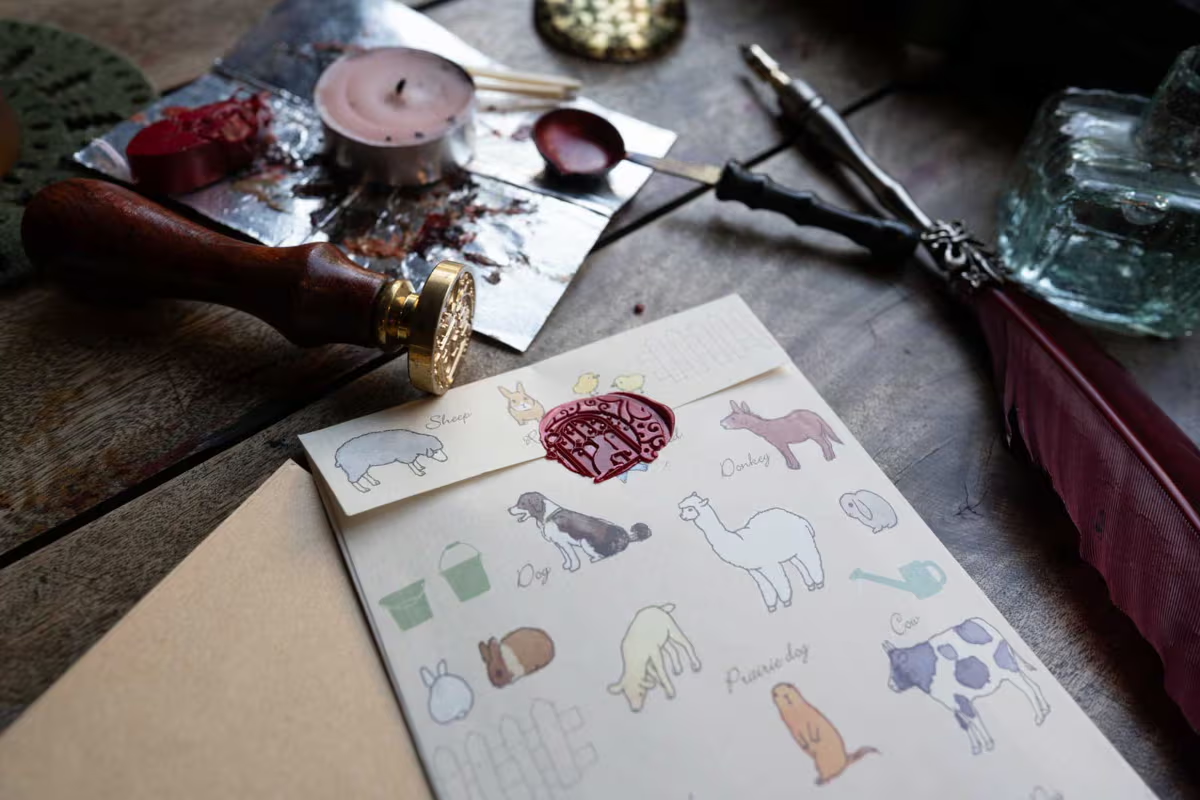
Once finished, letters can be wax sealed, stamped and posted directly from the café’s own post box (within Japan only). It’s not rushed. No one is watching the clock. The act of writing feels intentional again — not content creation, not productivity, just communication.
The café itself has only nine seats, each at a different retro writing desk. Every desk has its own personality. One has a small fish tank perched on top. Another hides crystals in a drawer. One even contains a tiny diorama made by the owner, tucked away like a secret reward for the curious. On quieter days, guests are welcome to move between desks before choosing the one that feels right.
R-za Dokushokan also gently reminds visitors that reading doesn’t need commentary. Most of the books are in Japanese, so international visitors are encouraged to bring their own. The point isn’t what you read, but how you read — slowly, attentively, without interruption.
To sit here with a drink, a book and a half-written letter is to experience Tokyo differently. Outside, the city hums. Inside, time stretches. Thoughts settle. Words arrive more carefully.
For World Letter Writing Day, places like R-za Dokushokan feel especially meaningful. They prove that letter writing hasn’t disappeared — it has simply found quieter homes. In a world of instant messages and endless notifications, this café offers something rare: permission to take your time, to write something meant for just one person, and to send it into the world sealed with care.
Some cafés are about caffeine.
This one is about presence — and the simple, powerful act of putting pen to paper.
The Cardrona Hotel: Where History, Stories and a Very Special Letterbox Meet