
For many people, airports are synonymous with crowds, queues and constant movement. The sound of rolling suitcases, boarding announcements and the excitement of travel can create an atmosphere that feels anything but peaceful.
Yet hidden within almost every airport are places designed for quiet reflection.
Whether you’re waiting for a flight, facing a long layover or simply arriving early to avoid the rush, an airport can become an unexpected sanctuary for journaling. With a notebook, a pen and a little intention, waiting time transforms into an opportunity to slow down, reflect and reconnect with yourself.
At World Letter Writing Day, we believe that meaningful moments can be found almost anywhere. Airports are unique places where thousands of individual stories intersect every day. They are places of beginnings, endings, reunions, farewells and new adventures. That makes them surprisingly inspiring environments for writing.
If you’ve ever wondered where to find quiet places at airports, this guide will help you discover the best spaces for airport journaling and airport relaxation.

Why Airports Are Surprisingly Good Places to Journal
Unlike almost any other place in daily life, airports naturally create pauses.
You have checked in.
Security is behind you.
Your bags are packed.
Your phone is no longer demanding your full attention.
For perhaps the first time in weeks, you have nothing urgent to do except wait.
Rather than filling every spare minute scrolling through social media, consider using this time to write.
Journaling before a journey can help you organise your thoughts, reduce travel anxiety and capture the emotions that come with travelling. It also creates a wonderful habit of documenting your life through the places you visit.
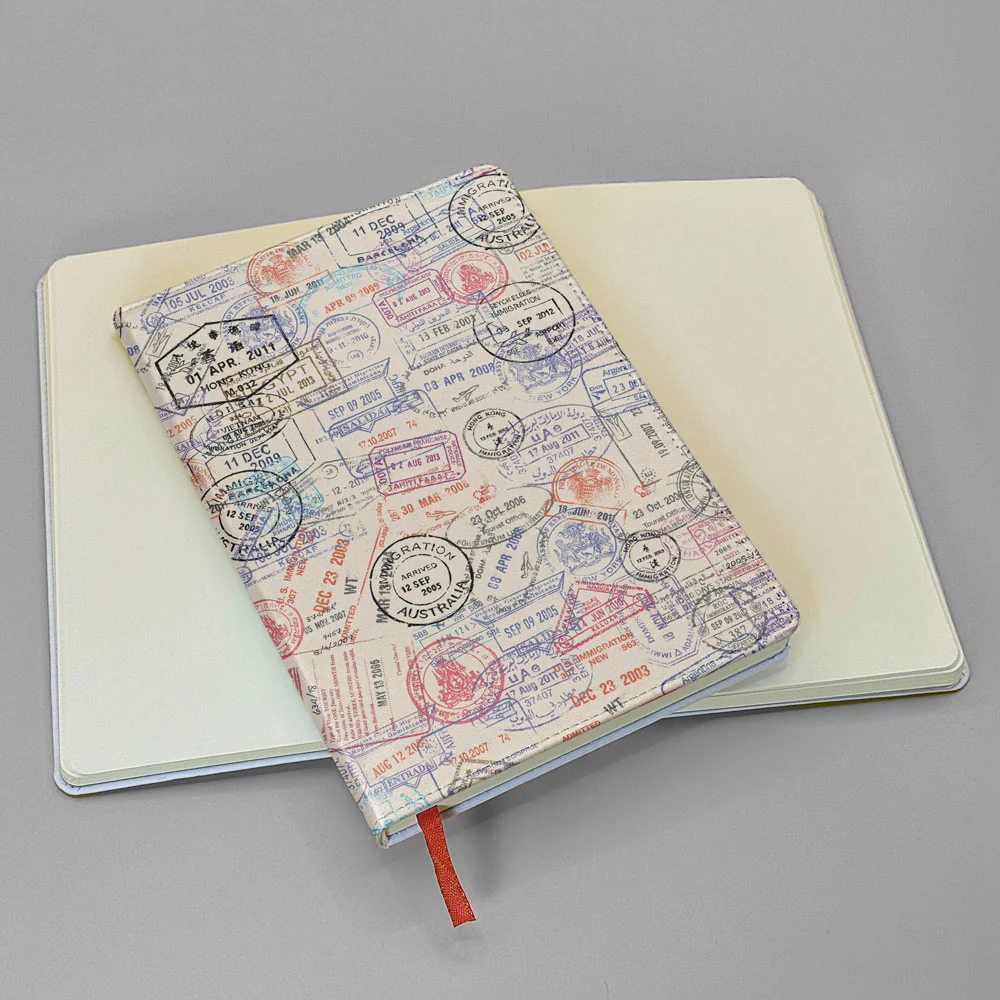
The Benefits of Airport Journaling
Research has consistently shown that journaling offers a wide range of wellbeing benefits.
Taking just fifteen or twenty minutes before a flight can help you:
- Reduce stress and anxiety.
- Improve emotional wellbeing.
- Increase mindfulness.
- Process major life events.
- Boost creativity.
- Improve memory by recording experiences.
- Develop gratitude.
- Create a lasting record of your travels.
Travelling often provides fresh perspectives. Writing while those emotions are still present makes your journal richer, more honest and more meaningful.
1. Airline Lounges: Your Personal Writing Retreat
For many travellers, the airport lounge is the ideal place to journal.
Unlike the busy terminal, lounges are intentionally designed to create a calmer environment.
Most offer:
- Comfortable armchairs
- Quiet workspaces
- Natural lighting
- Complimentary tea and coffee
- Charging points
- Reliable Wi-Fi
- Large windows overlooking the runway
Many lounges also include business areas with desks that are perfect for writing.
Watching aircraft arrive and depart while enjoying a coffee creates an atmosphere that encourages reflection rather than distraction.
If you travel frequently, lounge access through an airline membership, credit card or day pass can be a worthwhile investment—not only for comfort but also for the opportunity to enjoy uninterrupted quiet time.

2. Airport Libraries and Reading Areas
One of aviation’s best-kept secrets is the airport library.
Several airports around the world now include dedicated reading spaces where travellers can borrow books or simply enjoy a peaceful environment.
Examples include:
- Amsterdam Schiphol Airport Library
- Helsinki Airport Reading Areas
- Taiwan Taoyuan Airport Libraries
These spaces are designed around calm, making them perfect for journaling.
Even airports without formal libraries often provide comfortable reading lounges tucked away from the busiest shopping areas.
The quieter atmosphere encourages thoughtful writing and uninterrupted concentration.

3. Indoor Gardens and Green Spaces
Nature has a remarkable ability to reduce stress.
Many modern airports now include indoor gardens that provide travellers with a welcome escape from the busy terminal.
Perhaps the most famous example is Singapore Changi Airport, where lush gardens, waterfalls and tropical plants create an extraordinary environment unlike any other airport in the world.
Other airports feature:
- Butterfly gardens
- Zen gardens
- Bamboo gardens
- Indoor forests
- Living walls
- Outdoor terraces
Being surrounded by greenery naturally slows the mind.
It becomes much easier to reflect, journal or simply sit quietly while listening to the sounds of water and birds instead of departure announcements.
4. Observation Decks
Few places inspire reflection quite like an airport observation deck.
Watching aircraft taxi towards the runway reminds us that every journey begins somewhere.
Every departure represents a new chapter.
Every arrival tells a story.
Observation decks often provide:
- Fresh air
- Open skies
- Comfortable seating
- Panoramic runway views
- Fewer crowds than inside the terminal
For aviation enthusiasts they’re exciting.
For writers they’re inspiring.
Take a notebook outside and allow yourself fifteen quiet minutes before returning to the terminal.
5. Find an Empty Gate
Sometimes the best place to write isn’t a special facility at all.
Walk away from your departure gate.
Many travellers naturally gather around the first available seating area near shops and cafés.
However, gates at the far end of a terminal often remain surprisingly quiet until shortly before boarding.
Find a comfortable chair overlooking the runway.
Watch the aircraft.
Listen to the gentle background sounds of travel.
You’ll often discover that your thoughts begin to flow naturally.
6. Quiet Airport Cafés
Coffee and writing have always gone together.
Rather than choosing the busiest café beside the security checkpoint, explore the terminal.
Most airports have cafés tucked away in quieter areas that offer:
- Window seating
- Comfortable tables
- Fewer people
- Better opportunities for reflection
Order your favourite drink.
Put your phone away.
Open your journal.
Even twenty minutes can become one of the most enjoyable parts of your journey.
7. Meditation, Prayer and Reflection Rooms
Increasingly, airports recognise that travellers sometimes need more than restaurants and retail stores.
Many international airports now provide dedicated:
- Meditation rooms
- Prayer rooms
- Reflection spaces
- Wellness rooms
- Quiet rooms
These facilities welcome travellers of all backgrounds.
While many are intended for prayer or meditation, they also provide peaceful environments for mindfulness, breathing exercises and quiet journaling.
Always be respectful of others using these spaces, keeping conversations and movement to a minimum.
8. Window Seats with a View
Some of the best writing spots don’t require any special facilities.
Simply find a large window overlooking the runway.
Watching aircraft come and go reminds us that life is always moving forward.
Journeys begin.
Journeys end.
Families reunite.
Friends say goodbye.
Business travellers chase opportunities.
Holidaymakers pursue adventure.
Few places bring together so many human stories in one location.
That perspective often inspires surprisingly meaningful journal entries.
Create Your Own Airport Journaling Ritual
Airport journaling doesn’t need to be complicated.
Many experienced travellers develop a simple ritual before every flight.
It might look something like this:
Buy a coffee.
Find a quiet seat.
Turn your phone to silent.
Take three deep breaths.
Write for fifteen minutes.
That’s all.
Over time this simple habit becomes associated with travel itself.
Instead of remembering airports as stressful places, you’ll begin to associate them with calm, creativity and reflection.
Journal Prompts for Your Next Flight
Not sure what to write?
Try one of these prompts:
- What am I most looking forward to on this trip?
- What have I learnt since my last journey?
- What am I grateful for today?
- What do I hope to discover?
- What am I leaving behind?
- What memories do I want to create?
- How do I want to feel when I return home?
- What’s one lesson I hope this journey teaches me?
- What has surprised me recently?
- If I wrote a letter to my future self today, what would it say?
Turning Waiting into Wellbeing
Modern travel encourages us to remain constantly connected.
Notifications.
Emails.
Social media.
Breaking news.
Yet airports provide one of the few moments in our lives where we’re almost expected to pause.
Rather than viewing waiting as wasted time, consider seeing it as a gift.
Fifteen quiet minutes with a notebook may reduce stress more effectively than another fifteen minutes scrolling through your phone.
Many travellers report feeling calmer, more focused and more present after journaling before a flight.
It helps shift attention away from travel delays and towards personal reflection.
Every Airport Holds Thousands of Stories
Look around any departure lounge.
Every traveller has a reason for flying.
Some are beginning the adventure of a lifetime.
Some are heading home after years away.
Others are travelling for work, celebrating milestones, visiting loved ones or saying difficult goodbyes.
Airports are emotional places.
They remind us that life is constantly changing.
Writing allows us to pause long enough to notice those emotions rather than rushing past them.
Making Airport Relaxation Part of Your Journey
Airport relaxation doesn’t require expensive spa treatments or luxury experiences.
Sometimes all it takes is finding the right seat.
A quiet café.
A peaceful lounge.
A garden.
An observation deck.
A meditation room.
Or simply an empty gate overlooking the runway.
Combined with a notebook and a few moments of uninterrupted thought, these places become more than somewhere to wait—they become places to reflect, recharge and prepare for whatever lies ahead.
Finding Inspiration Between Destinations
At World Letter Writing Day, we celebrate the places and experiences that encourage thoughtful communication, creativity and meaningful connection.
Airports may seem like unlikely places to slow down, yet they are among the few environments where life naturally pauses between one destination and the next.
Instead of counting down the minutes until boarding, use that time to reconnect with yourself.
Find a quiet corner.
Watch the planes.
Listen to the rhythm of travel.
Write about where you’ve been, where you’re going or simply how you feel in that moment.
Because sometimes the most meaningful part of a journey isn’t the destination—it’s the quiet space you discover while waiting to get there.