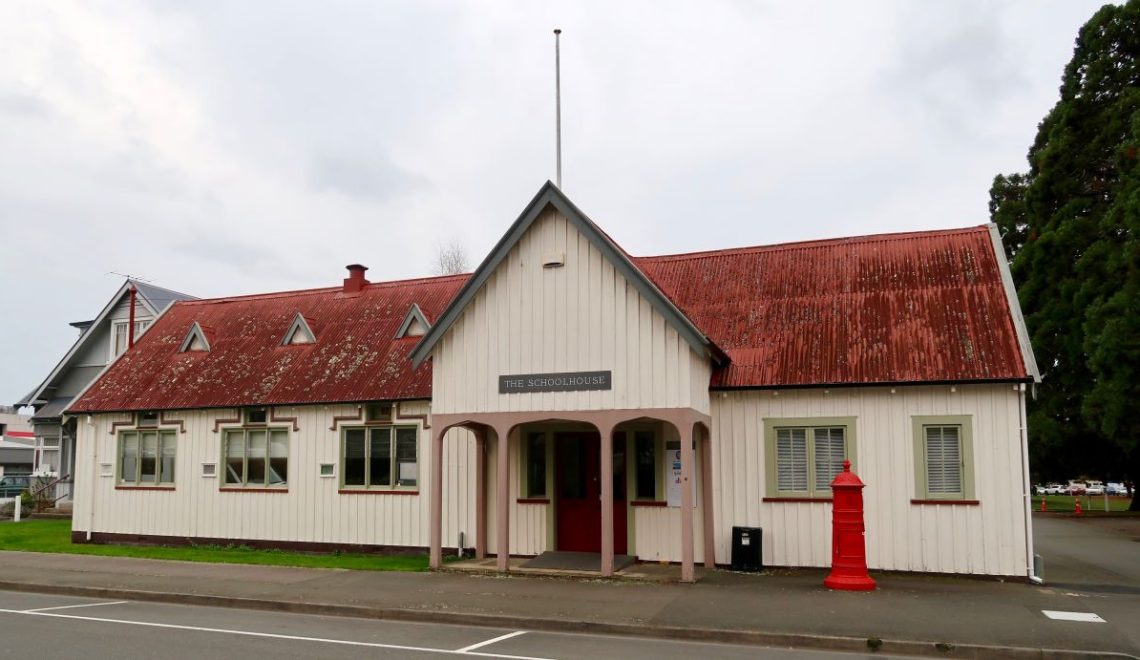
Nelson City, on New Zealand’s South Island, has a remarkable relic of nineteenth‑century postal history – a cylindrical cast‑iron pillar letter box in Hardy Street. Installed in the mid‑1860s as part of New Zealand’s transition to a prepaid postal system, it is believed to be the oldest surviving pillar box in the country still on its original site. The letter box is recognised as a Category 1 Historic Place by Heritage New Zealand, meaning it has outstanding historical and architectural significance. Today it remains a working post box and symbolises both the beginnings of New Zealand’s postal service and the durability of Victorian design,
History and Installation
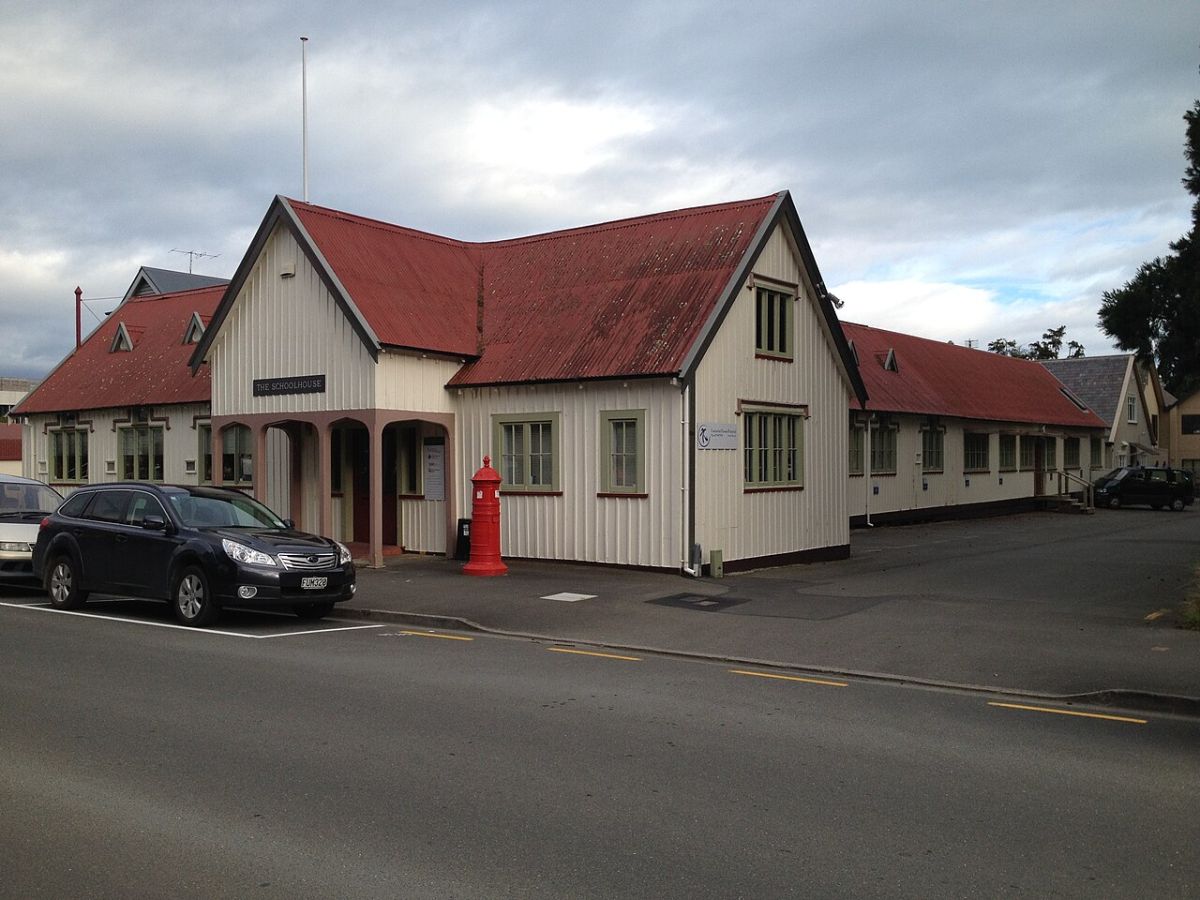
By the early 1860s the New Zealand government made postage stamps compulsory for prepaying the cost of delivering letters within the colony. Previously letters were taken to the local post office and individually marked by a clerk for payment. With prepaid stamps, the Colonial Secretary William Fox and Postmaster‑General Thomas Bannatyne Gillies launched a campaign to provide public letter boxes. In January 1864 the Nelson Provincial Government ordered two cast‑iron letter boxes from Sydney; one was installed at the port and the other was placed outside the Hardy Street Girls’ School (now part of Nelson Marlborough Institute of Technology) near the postmaster’s cottage. The box arrived in April 1864 and has remained at the site ever since.
 Design and Manufacture
The Nelson pillar box was manufactured by Bubb & Son at their Victoria Foundry in Sydney. Bubb & Son won a Postmaster‑General tender in 1855 to produce cast‑iron letter boxes, and post‑office employee T. W. Levinge designed the circular pillar box The Hardy Street box stands about 1.8 m (5 ft 11 in) high, has an ornate top decorated with acanthus leaves and is circular in plan. Levinge’s design drew inspiration from pillar boxes used in Belgium and Paris and was considered more elegant than contemporary London boxes.
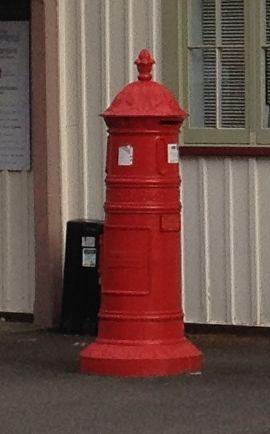
Two features distinguish the Nelson box from its Australian cousins. In Australia, letter boxes were bronzed and had three vertical slots near the top so that horseback riders could post letters without dismounting. For New Zealand the boxes were painted red and letters were posted through two horizontal openings on each side, reflecting British practice
Usage and Preservation
The cast‑iron design proved durable but eventually fell out of favour. In 1879 the Levinge‑style cylindrical box was replaced by a New Zealand‑made hexagonal version designed by architect J. W. Penfold. By the early 1950s New Zealand Post Office began replacing cast‑iron pillar boxes with wooden “letter boxes mounted on posts” due to concerns about cleanliness and maintenance. Most cast‑iron boxes were sold to museums or private collectors for scrap.
The Hardy Street pillar letter box is one of the few that survived this purge; other than the addition of a padlock, it remains unchanged from 1864. According to Heritage New Zealand, it continues to be used daily by Nelson residents demonstrating the longevity of its Victorian construction.
Significance and Legacy
Heritage New Zealand recognises the pillar letter box as having great national significance because it is both one of New Zealand’s first public letter boxes and the only Levinge‑style cast‑iron pillar box still on its original site The box symbolises the transition to a modern, standardised prepaid postal system and embodies a blend of British and Australian design. Its survival reflects the value Nelson’s community places on preserving everyday heritage objects.
Today, the pillar box not only functions as a working post box but also serves as a tangible connection to the mid‑Victorian era. It attracts postal historians, heritage enthusiasts and tourists who marvel at its distinctive red cylinder and acanthus‑leaf ornamentation.
Conclusion
The Victorian pillar letter box in Nelson is an extraordinary survivor from the early days of New Zealand’s postal service. Ordered from Sydney in 1864, it showcases a unique blend of British and Australian design influences and remains largely unaltered. Official heritage records note that it is the only surviving pillar box of its type on its original site and that it continues to be used daily by the communityheritage.org.nz. This enduring functional landmark not only tells the story of postal reform and technological change but also demonstrates the community’s commitment to preserving tangible elements of everyday history.

Sending Postcards from the Top of Europe: the Klein Matterhorn Postbox
Isaac Nichols, turned his home into Australia’s first post office.
More Than Just Mail: The Outback Post Offices Keeping Small Towns Alive