As schools embrace digital learning, a renewed debate about handwriting is raising an important question: have we been too quick to put down our pens?
For years, computers and tablets have been transforming Australian classrooms. Students type assignments, complete online assessments and increasingly rely on digital devices for everyday learning.
But could the humble pen and paper be making a comeback?
The New South Wales Government is pushing for NAPLAN writing tests to return to handwritten assessments, arguing that strong writing skills are fundamental to learning and academic success.
The proposal has attracted support from education researchers who believe handwriting plays an important role in memory, learning and the development of written communication.
For those who celebrate the art of letter writing, the discussion is particularly interesting. It suggests that handwriting is far more than an old-fashioned way of communicating. It may be a skill worth protecting for future generations.
Why NSW Wants Students to Put Pen to Paper Again
NAPLAN, Australia’s National Assessment Program – Literacy and Numeracy, began transitioning to online testing in 2018.
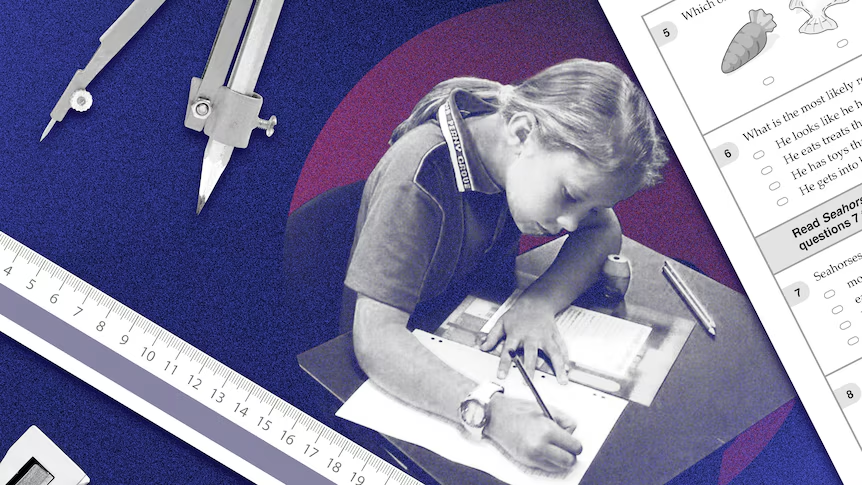
Today, students in Years 5, 7 and 9 complete their writing assessments using computers, while Year 3 students continue to write their responses by hand.
The NSW Government wants that to change.
Education Minister and Deputy Premier Prue Car has proposed returning writing assessments for older students to pen and paper from 2028, subject to agreement from other Australian education ministers.
The proposal follows concerns about writing performance among Australian students and the increasing reliance on technology in classrooms.
Supporters argue that handwriting remains an essential foundational skill and that students should have opportunities to develop their writing abilities without depending entirely on keyboards.
However, the proposal is not simply about replacing computers with paper. It raises broader questions about how children learn to organise ideas, express themselves and develop confidence as writers.
Why Handwriting Matters for Learning and Memory
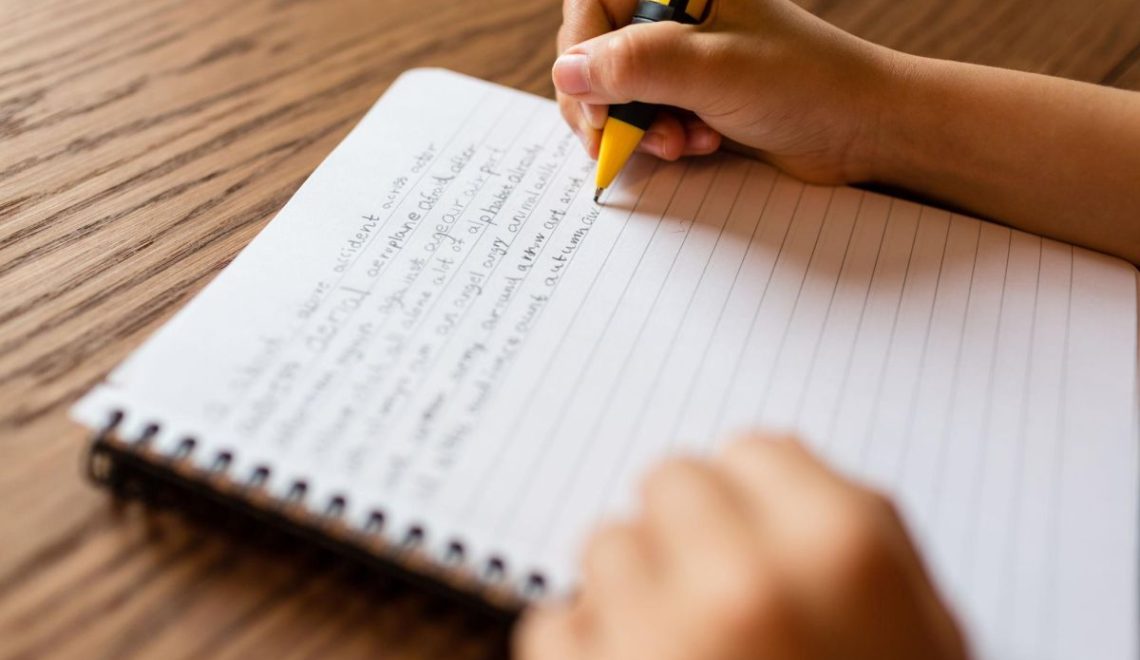
Writing by hand involves more than moving a pen across a page.
It requires coordination between the brain, eyes and hands while simultaneously processing language, organising thoughts and forming letters.
Research has suggested that handwriting can support certain aspects of learning and memory, particularly when children are developing literacy skills.
Edith Cowan University Associate Professor Anabela Malpique, who researches writing education, has supported the proposed return to handwritten NAPLAN assessments.
Speaking to ABC News, she emphasised the importance of thinking with a pencil and the relationship between handwriting, learning and memory.
Unlike typing, where each letter is produced by pressing a key, handwriting requires the writer to physically form individual letters.
This process can reinforce letter recognition and support the development of writing fluency.
Of course, handwriting is not automatically better than typing for every task. Digital tools offer important advantages, particularly for editing, accessibility and longer written assignments.
The challenge is ensuring children develop both sets of skills.
Are Children Losing the Habit of Writing by Hand?
Think about how much everyday communication has changed over the past two decades.
Birthday invitations arrive through messaging apps. Thank-you notes are replaced with quick texts. Holiday greetings are shared on social media, and even school assignments are increasingly completed on computers.
For many children, handwriting is becoming something associated primarily with schoolwork rather than everyday communication.
Yet writing by hand offers experiences that digital communication cannot entirely replicate.
A handwritten letter requires someone to select their words, physically write them down and create something that another person can hold.
There is no autocorrect, no instant send button and no stream of notifications competing for attention.
The writer has an opportunity to concentrate on a single message.
This is one reason handwritten letters, postcards and personal journals continue to appeal to people seeking a more thoughtful way to communicate.
The Difference Between Typing and Handwriting
University of Sydney Associate Professor Marian Vidal-Fernandez has also supported the proposed change to NAPLAN.
According to ABC News, she raised concerns about differences between how students practise writing in classrooms and how they are assessed.
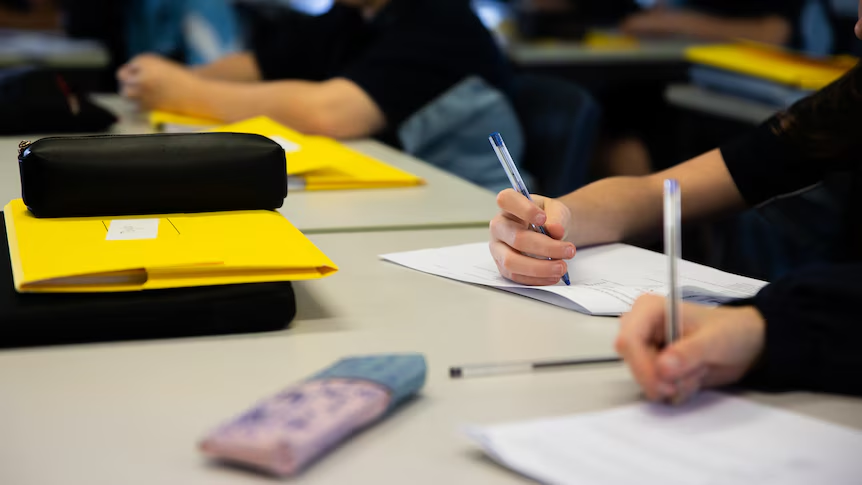
If children spend much of their classroom time writing by hand, asking them to produce their best work using a keyboard may introduce an additional challenge.
Typing proficiency can affect how quickly students express their ideas, particularly among younger students who have not yet developed strong keyboard skills.
International research has also identified situations where students perform differently depending on whether assessments are completed on paper or computers.
However, performance depends on factors such as age, typing experience, assessment design and individual learning needs.
The debate is therefore about more than nostalgia for traditional classrooms. It is about choosing assessment methods that allow students to demonstrate their actual writing abilities.
Handwriting and the Art of Slowing Down
At World Letter Writing Day, we believe handwriting has a place well beyond the classroom.
In a world of instant communication, writing a letter encourages us to slow down.
When you sit with a blank sheet of paper, you have time to consider what you want to say.
You might remember a shared experience, express gratitude, describe a recent journey or reconnect with someone you have not spoken to for years.
The process itself becomes part of the experience.
Handwriting can also create opportunities for reflection. Journaling, for example, allows people to record thoughts and experiences without the distractions often associated with digital devices.
For children, writing letters can make practising handwriting more meaningful.
Instead of simply copying sentences from a workbook, they have a real reason to write.
A letter to a grandparent, a postcard to a friend or a thank-you note to a teacher gives handwriting a purpose.
And perhaps that is something worth encouraging as technology becomes more embedded in everyday life.
Could Letter Writing Help Children Become Better Writers?
The NAPLAN debate provides an opportunity for parents and educators to reconsider how handwriting is encouraged outside formal lessons.
Children do not necessarily need additional worksheets to practise writing.
Sometimes, they simply need an interesting reason to pick up a pen.
Here are six activities that combine handwriting practice with creativity and communication.
- Write a letter to a grandparent. Encourage children to share something they have learned, describe their weekend or ask questions about family history.
- Send a postcard from a holiday. Whether travelling interstate or visiting a nearby beach, writing a postcard helps children describe places and experiences in their own words.
- Start a personal journal. A few sentences about the day can help children develop a regular writing habit while recording memories.
- Create handwritten birthday cards. Rather than relying entirely on printed messages, encourage children to add a personal note.
- Find a pen pal. Exchanging letters with another child can make writing exciting while introducing different places, cultures and experiences. Parents and schools should supervise exchanges and protect children’s personal information.
- Write a thank-you letter. A handwritten note to a teacher, coach, friend or family member helps children practise expressing appreciation.
These activities offer opportunities to develop handwriting fluency, vocabulary, storytelling and confidence.
Most importantly, they show children that writing is not simply something they do to pass an assessment.
It is a way to connect with other people.
We Need Both Digital Skills and Handwriting
The return to handwritten NAPLAN assessments would not mean that computers no longer belong in Australian classrooms.
Technology has transformed education in many positive ways.
Digital tools can make learning more accessible, allow students to collaborate and provide new opportunities for research, creativity and communication.
Typing is also an essential skill for further education and employment.
Associate Professor Malpique has argued that students should become capable of writing both by hand and digitally.
This balanced approach recognises that different methods of writing serve different purposes.
A computer may be the most practical tool for preparing a lengthy research assignment.
A notebook may be more convenient for sketching ideas, reflecting on an experience or writing a personal message.
And a handwritten letter may be the most meaningful way to tell someone they matter.
Importantly, any changes to school assessments must also consider students with disabilities, learning difficulties and other needs who benefit from assistive technology or alternative arrangements.
The objective should be to strengthen writing skills while ensuring every student has a fair opportunity to demonstrate their abilities.
Is the Handwritten Letter Making a Comeback Too?
The renewed interest in handwriting extends beyond education.
Letter-writing cafés, journaling communities, stationery enthusiasts and postcard exchanges are helping people rediscover the pleasure of communicating on paper.
For some, handwriting offers a creative outlet. For others, it provides an opportunity to disconnect from screens or preserve personal memories.
A handwritten letter can become something treasured for years.
Unlike a message buried in an overflowing inbox, it can be placed in a drawer, displayed on a desk or rediscovered long after it was written.
It also carries something personal: the handwriting of the sender.
The shape of the letters, the spacing between words and even the occasional crossed-out sentence become part of the message.
These small imperfections are often what make handwritten communication special.
A Future Where Pens and Keyboards Work Together
Whether Australia ultimately returns to handwritten NAPLAN writing assessments remains to be seen.
The NSW proposal requires national agreement, and questions about implementation, marking costs, accessibility and classroom preparation will need to be addressed.
But the discussion has already brought renewed attention to something important.
Handwriting is not simply a tradition from the past.
It remains a practical skill, a tool for learning and a deeply personal form of communication.
As children grow up surrounded by digital technology, perhaps the most valuable approach is not choosing between handwriting and typing.
It is teaching them when and why each matters.
And while governments debate the future of writing assessments, there is something simple we can all do today.
Pick up a pen. Write a letter. Remind someone that they matter.
That is a tradition worth keeping alive.
About World Letter Writing Day
Celebrated annually on 1 September, World Letter Writing Day encourages people around the world to rediscover the art of handwritten communication.
From postcards and personal letters to journaling and thoughtful notes, the initiative celebrates the connections created when we take time to put pen to paper.
Discover more at WorldLetterWritingDay.com.au.
Source and further reading
This article was inspired by ABC News reporting by Victoria Pengilley on the NSW Government’s proposal to return NAPLAN writing assessments to pen and paper, including commentary from Australian education researchers.
The proposal was under discussion at the time of the original report. Any subsequent government decision should be checked before publication.
The Importance of Handwritten Letters — And Why Barack Obama Wrote 10 Every Night