In a world of instant messages and overflowing inboxes, handwritten letters feel rare.
But during his eight years as President of the United States, Barack Obama proved just how powerful they can be.
At the height of his presidency, Obama received around 40,000 letters every single day at the White House. Messages poured in from across the country — from children, teachers, veterans, factory workers, parents and people going through some of the hardest moments of their lives.
And here’s what makes this story remarkable:
He answered them.
Not all 40,000, of course.
But every night — without fail — he personally selected 10 letters to respond to.
And he wrote back by hand.
Barack Obama’s Daily Letter-Writing Routine
After long days filled with briefings, decisions and global responsibilities, Obama would retreat to the Treaty Room in the White House residence.
There, alone, he would read letters from ordinary citizens.
He didn’t rely on summaries. He didn’t skim. He chose the letters himself.
Then he picked up a black felt-tip pen and began writing.
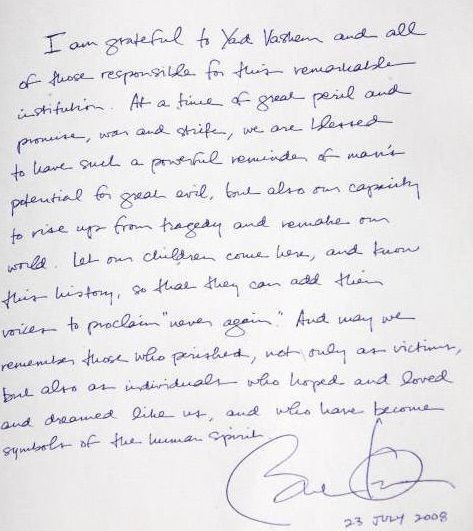
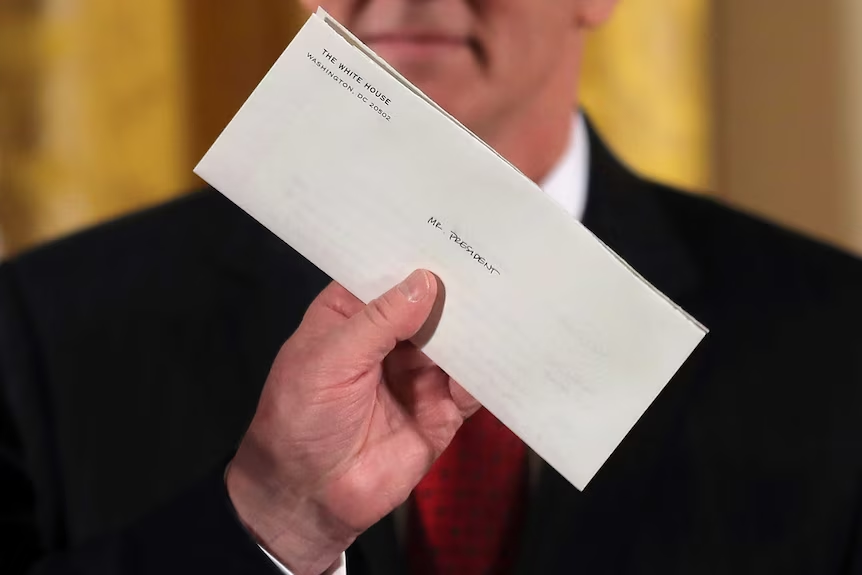
He drafted each reply first on yellow legal paper. Once finished, he rewrote the final version by hand on official White House stationery.
No typing.
No email templates.
No shortcuts.
Just pen and paper.
Over eight years, that adds up to thousands of handwritten letters from a sitting president.
Why Handwritten Letters Matter
So why does this matter?
Because writing letters by hand is different.
Obama once shared that physically pressing pen to paper required a deeper level of attention than typing. Handwriting slows you down. It forces you to think carefully. It demands presence.
And that presence is felt by the person receiving it.
Many recipients described receiving his handwritten letter as one of the most meaningful moments of their lives. One Ohio steelworker even wrote back to say that the President’s letter stopped him from making a decision that would have permanently changed his family’s future.
That’s the power of a handwritten letter.
It isn’t just communication.
It’s connection.
It’s time made visible.
The Emotional Power of Writing Letters by Hand
There’s something deeply human about ink on paper.
You can see the pauses.
You can feel the effort.
You can hold it in your hands.
Unlike a text message that disappears into a thread, a handwritten letter is often kept — folded into drawers, placed inside books, saved in memory boxes.
In an age of speed, handwritten letters represent intention.
If the President of the United States could carve out time every single night to write ten personal letters, what does that say about the value of slowing down to respond to someone?
A Simple Reminder
You don’t need to be in the White House to write a letter that changes someone’s day — or even their life.
You just need:
-
A pen
-
A piece of paper
-
And the willingness to slow down
The importance of handwritten letters hasn’t disappeared.
If anything, in today’s digital world, it matters more than ever.
Sometimes the most powerful thing you can send isn’t instant.
It’s handwritten.
Taylor Swift’s Handwritten Thank You Notes Are a Lesson in Gratitude—and Letter Writing