Clovelly Beach: Calm Waters, Big Personalities and a Lot More History Than You’d Expect
At first glance, Clovelly Beach looks almost modest. There are no rolling surf breaks, no towering dunes and no dramatic stretches of sand disappearing into the distance. Instead, you’ll find a narrow, sheltered bay, glassy water and a steady hum of families going about their day. But don’t let its quiet confidence fool you — Clovelly is one of those places where the stories run deep, the characters are unforgettable and nearly every local family has a memory tied to its shoreline.
Beloved by parents, trusted by grandparents and endlessly fascinating to kids, Clovelly has earned its reputation as one of Sydney’s most family-friendly beaches. Its calm waters and village-like atmosphere make it feel less like a destination beach and more like a shared backyard — one that generations have grown up with.
A Natural Haven Long Before Beach Picnics and Prams
Long before café tables lined the promenade or swim schools booked out summer sessions, the Clovelly area was an important place for Indigenous Australians. The naturally protected bay, rocky platforms and rich marine life made it an ideal location for fishing and food gathering. It was a place of practicality, connection and community — values that still quietly shape how Clovelly is used today.
When European settlers arrived in the early 1800s, they were drawn to the same qualities: shelter, access to food and proximity to Coogee. Because of this close connection, Clovelly became known as “Little Coogee”, a name that lingered throughout the 19th century and is still fondly remembered by locals. Even then, Clovelly was establishing itself as a place where people gathered, lingered and returned to again and again.
Horses in the Ocean and a Woman Ahead of Her Time
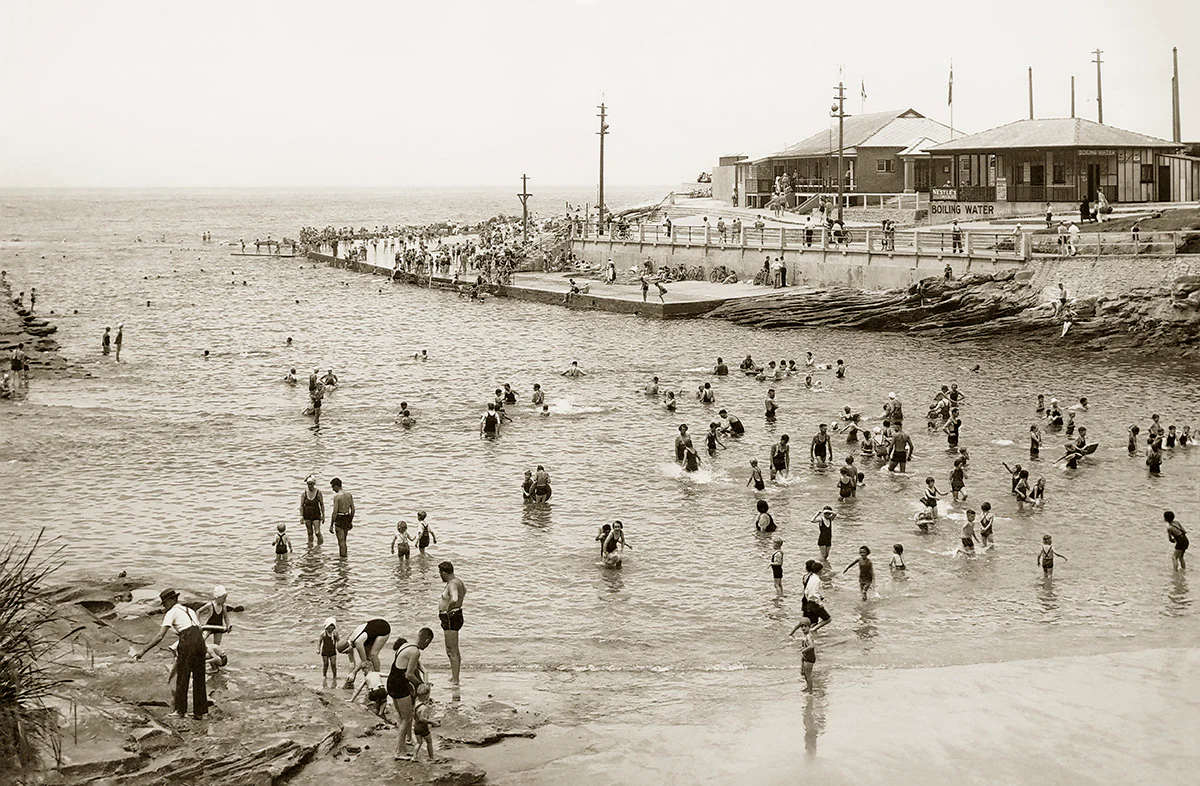
One of Clovelly’s most fascinating early residents was Mary Dickson, who lived in a grand clifftop home called Mundarrah Towers. Mary was not your typical seaside resident. A successful racehorse owner, she reportedly trained her horses along the headland — and, according to historical accounts, even exercised them in the ocean itself.
The image of horses wading through Clovelly’s calm bay feels almost unbelievable today, but it perfectly captures the slightly eccentric, anything-is-possible spirit of the area in its early years. Mundarrah Towers may be gone, but stories like Mary’s remain part of Clovelly’s unique identity.
When Swimming Was Scandalous
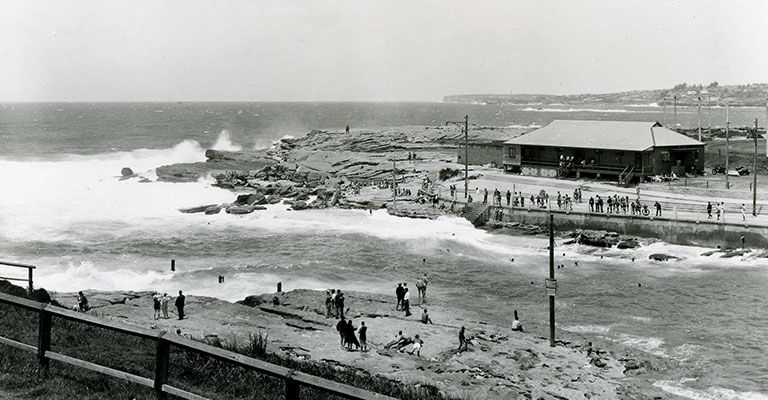
By the late 1800s, Little Coogee had become a popular swimming spot, partly because it allowed “Continental bathing”— mixed-gender swimming that was considered quite daring at the time. Swimwear standards were strict, covering from neck to knee, and social rules around beach behaviour were heavily enforced.
In 1899, a ladies’ bathing house opened at Clovelly, offering towels and dressing gowns for hire and making swimming more accessible for women. Despite this progress, newspapers of the era were quick to report on “improper” behaviour, complaining about men swimming in unsuitable attire — or sometimes none at all. While the rules have long relaxed, these early beach dramas add a layer of colour to Clovelly’s past and show just how much social norms have shifted.
Safety, Structure and a Beach Designed for Families
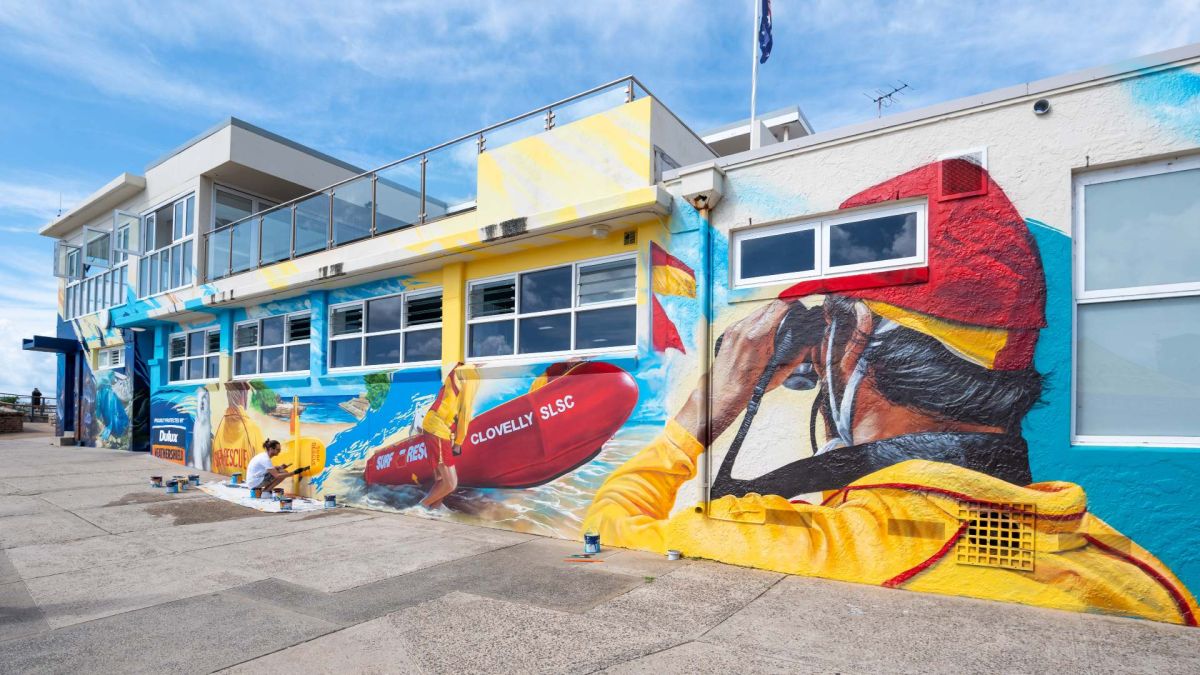
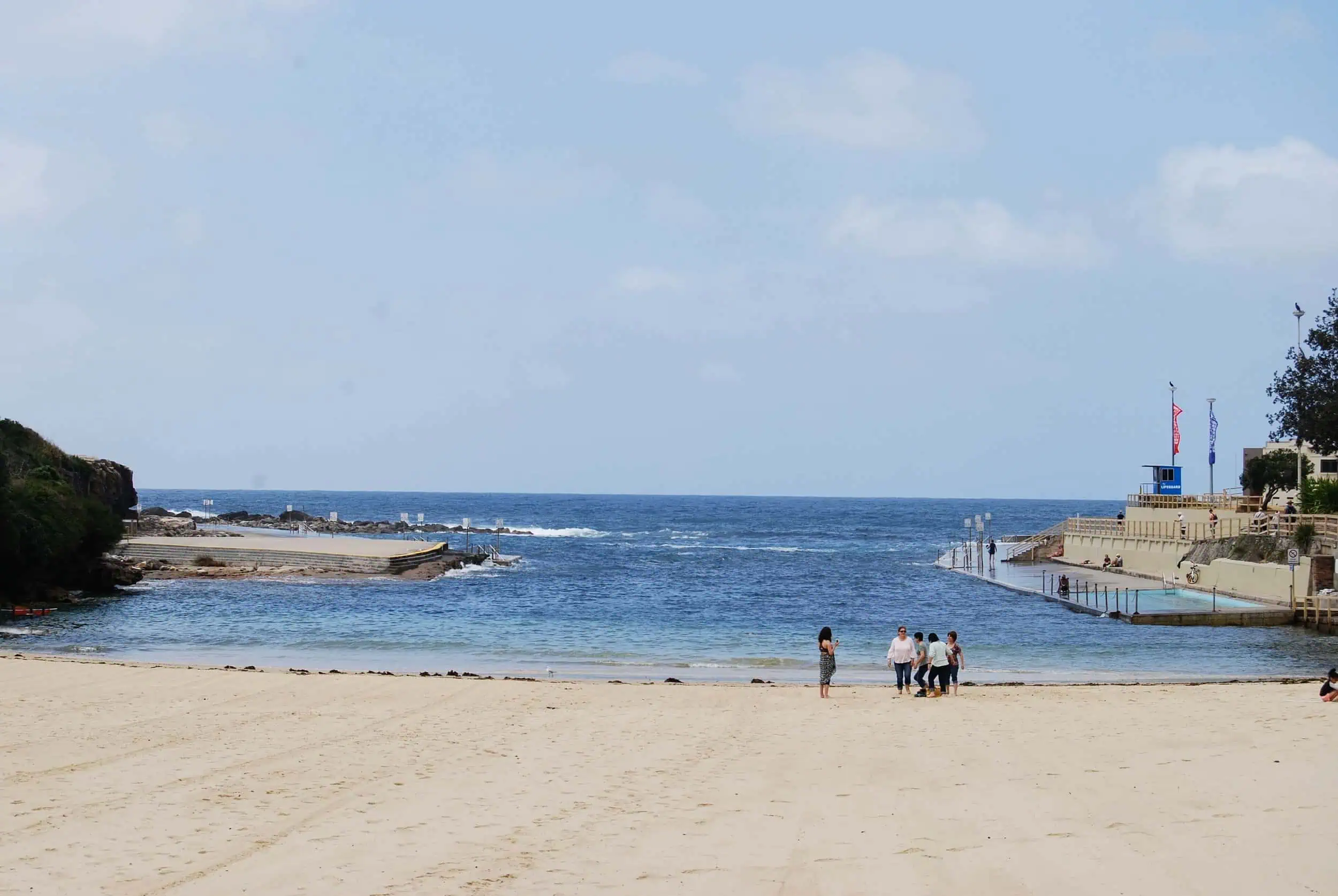 As Clovelly’s popularity grew, safety became a priority. In 1907, a Surf Life Saving Brigade was formed, laying the foundations for the Clovelly Surf Life Saving Club that still plays a vital role today. The presence of patrols, combined with the bay’s naturally calm conditions, helped establish Clovelly as a reliable and reassuring swimming spot for families.
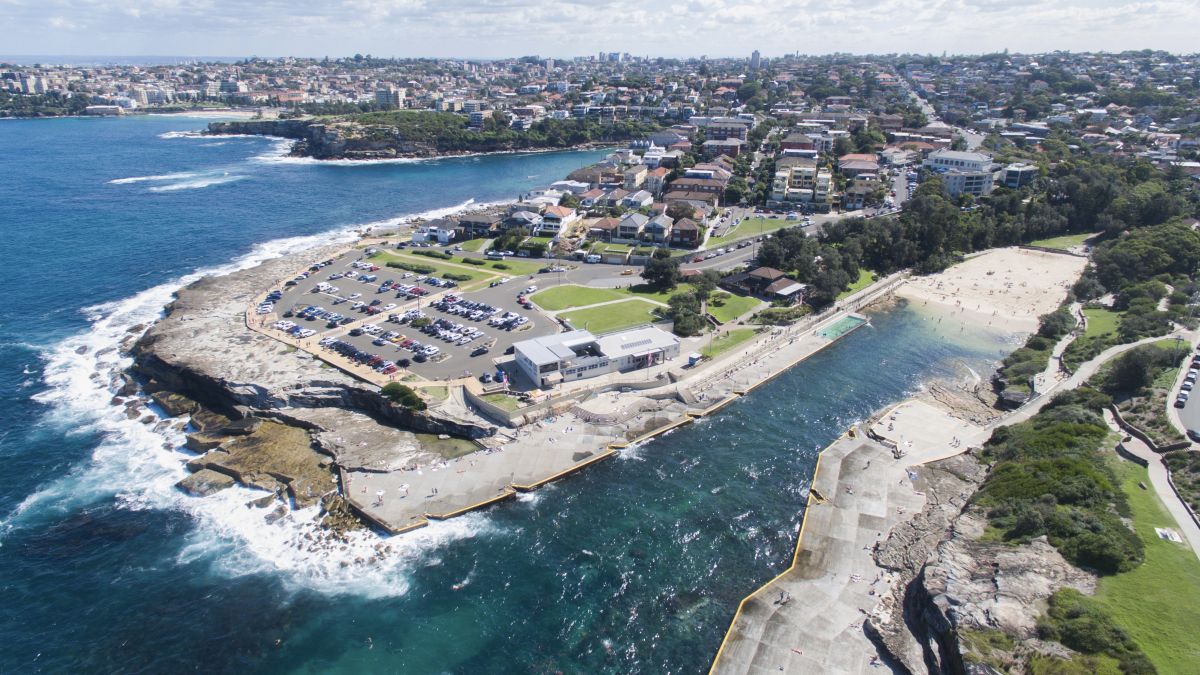
Major changes came in the 1930s, when Randwick Council undertook significant foreshore works during the Great Depression. The now-iconic concrete promenade, steps and access points were created, giving Clovelly its distinctive, almost pool-like feel. Around the same time, Clovelly Pool was developed — notable as Sydney’s first Olympic-size swimming pool. These changes shaped the beach into the structured, accessible space families still rely on today.
A Pool With Stories of Its Own
Clovelly Pool is more than just a place for laps and swimming lessons. Over the years, it has collected its own share of memorable moments. In 1952, a carpet shark found its way into the pool, causing quite a stir. Just a year later, film auditions were held there for an underwater adventure movie — proof that Clovelly has always attracted a little bit of drama alongside its calm reputation.
For many local kids, the pool has been a place of first achievements: the first confident lap, the first dive, or the moment swimming stopped feeling scary and started feeling fun.
Lost Landmarks and Childhood Bravery
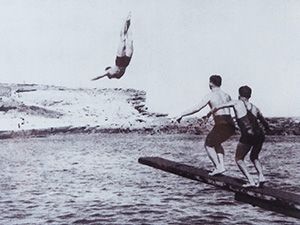
From the 1930s until the early 1950s, a diving springboard stood on the southern side of the bay. Known as the “springboard steps”, it was a magnet for brave kids lining up to leap into the water below. When storms washed it away in 1954, Clovelly lost one of its most loved features — but not the memories.
Other landmarks have disappeared too. Trams once ran all the way to Clovelly, underground military tunnels were hidden in the northern cliffs, and Mundarrah Towers eventually vanished from the headland. While these physical structures are gone, their stories continue to be passed down, especially among families who have called Clovelly home for generations.
Bluey and the Magic of Marine Life
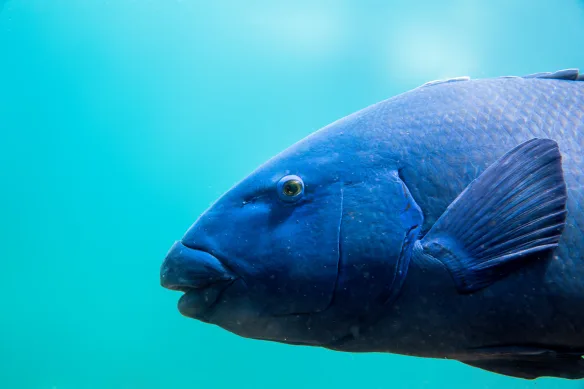
In more recent years, Clovelly gained a modern icon: Bluey, the eastern blue groper who swam alongside snorkellers and became an unofficial local celebrity. For many children, spotting Bluey was a highlight of any beach visit — often their first real interaction with marine life beyond rock pools.
Bluey’s presence helped foster a deeper appreciation for the underwater world and reminded visitors that Clovelly’s calm waters are alive with more than just swimmers.
Why Clovelly Still Feels Like Home
Today, Clovelly Beach continues to be one of Sydney’s most dependable family beaches. Babies splash at the shoreline, toddlers gain confidence in the shallows, and older kids snorkel along the rocky edges. Parents relax knowing the conditions are predictable, the facilities are close by and the surf lifesavers are always watching.
With its easy pram access, grassy picnic areas, nearby cafés and strong sense of community, Clovelly feels less like a tourist attraction and more like a shared local treasure.
More Than a Beach
Clovelly isn’t defined by big waves or dramatic scenery. Its magic lies in the everyday moments — swimming lessons after school, weekend picnics, snorkelling adventures and quiet afternoon dips. It’s a place where childhood memories are made, confidence is built and families return year after year, often without even realising how deeply the beach has woven itself into their lives.
For many Sydney families, Clovelly isn’t just somewhere you visit — it’s somewhere you grow up with and It’s also not a bad spot at all if you happen to be short on inspiration and in need of a quiet place to write a thoughtful letter
The Five Best Places for Kids To Write A Letter In The Eastern Suburbs