

How to Write a Letter That Gets Published in Your Local Newspaper
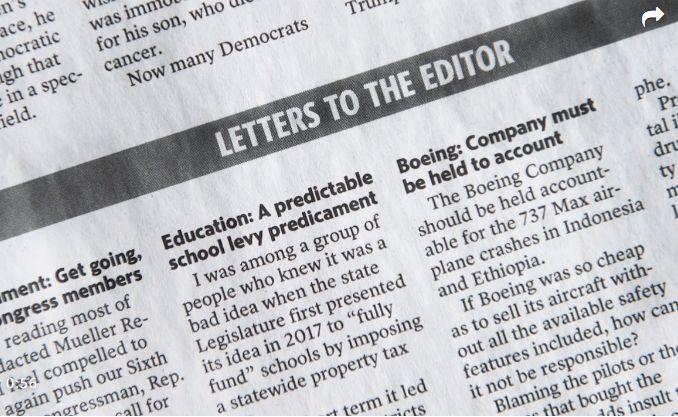
Writing a letter to the editor is an effective way to raise an issue, respond to a story, or contribute to public discussion. Newspapers receive many submissions every day but publish only a small selection, so understanding how to improve your chances is essential. The following guidelines outline what editors typically look for and how to refine your letter for publication.
Keep it short
Most newspapers prefer concise letters. Aim for 150–200 words, unless the publication specifies otherwise. While longer letters are occasionally used, shorter, well-focused messages are far more likely to be published.
Keep it simple
Limit your letter to one or two clear points. Trying to address too many issues at once can dilute your message. A focused letter helps editors and readers understand your position quickly.
Keep it exclusive
Do not send the same letter to multiple newspapers. Editors generally avoid publishing letters that have been submitted elsewhere. Avoid form letters, open letters, and anything resembling a press release.
Keep it fresh
Refrain from sending the same letter repeatedly or submitting large numbers of letters in a short period. Newspapers value a wide range of voices and aim to maintain diversity among contributors. Save your letters for your strongest and most relevant points.
Keep it civil
Maintain respectful language, even when expressing strong opinions. Personal attacks, extreme language, and exaggerated comparisons reduce the likelihood of publication.
Keep it relevant
Letters that refer to recent articles, opinion pieces, or previously published letters generally have a higher chance of being considered. This shows the letter is timely and part of the public conversation.
Keep it transparent
Disclose any affiliations—such as employment, political involvement, organisational membership, or academic connections—that relate to the topic. Editors may not publish these details, but they need them for context.
Submit early
Earlier submissions are more likely to be included in the next edition. Stories evolve quickly, and timely responses have a better chance of remaining relevant.
Follow the publication’s requirements
Every newspaper has specific submission guidelines. Always include your full name, location, and contact details, as editors must verify the identity of contributors. Inaccurate or incomplete information may prevent publication.
Anonymity
Some newspapers allow anonymous or partially anonymous letters, but only in limited circumstances—typically when personal safety or privacy is at risk. Even then, your full identity must be shared with the editor.
By following these guidelines, you can craft a clear, concise, and credible letter that stands a stronger chance of being selected for publication in your local newspaper.
Sydney Writers’ Festival Family Day at the State Library of NSW


